Short answer: a 10 bar compressor delivers 2 bar of extra pressure headroom over an 8 bar unit, which keeps tools at their rated 6.2 bar inlet pressure after hose, filter and pipe-run losses. On an 8 bar machine those same losses drop tool pressure below spec, so impact wrenches lose torque, spray guns atomise poorly, and the compressor cycles more often. Every Namerah compressor is rated at 10 bar for exactly this reason.
When you compare two air compressors and one says "8 bar" while the other says "10 bar", it is tempting to assume both will run your tools fine. They will not — and here is why.
What "working pressure" actually means
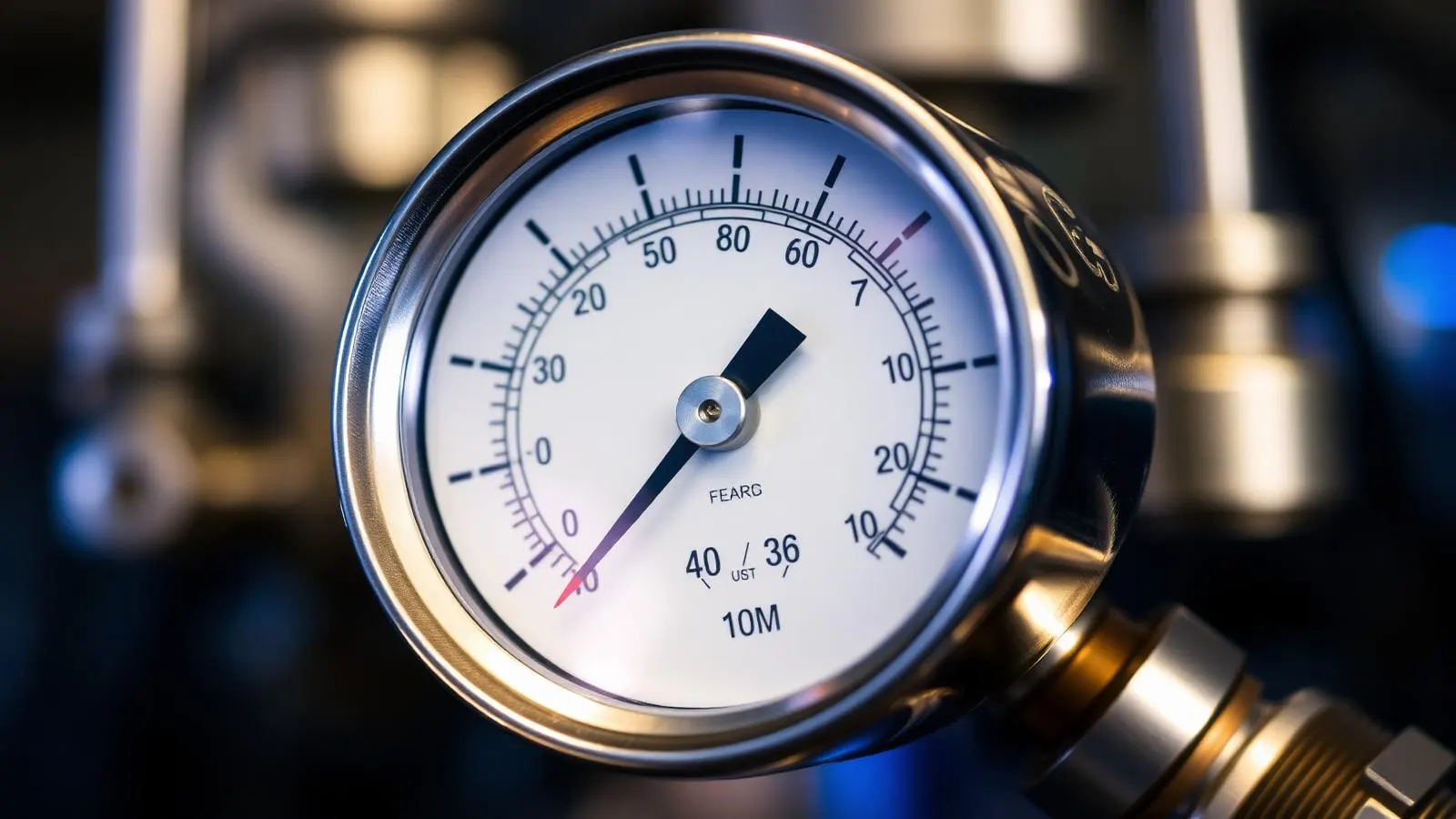
Working pressure is the pressure the compressor maintains continuously at the tank outlet during normal operation. It is not the same as max pressure (the safety cut-out) or cut-in pressure (the value at which the motor restarts).
- An 8 bar compressor cycles between roughly 6.5 and 8 bar.
- A 10 bar compressor cycles between roughly 8 and 10 bar.
The 10 bar machine never drops below the 8 bar machine's maximum.
The hose-and-fitting tax
Compressed air loses pressure every meter it travels. Real-world losses:
- 10 m of 3/8" hose at 15 CFM: ~1.5 bar drop.
- Quick-connect coupling: ~0.5 bar drop.
- FRL (filter/regulator/lubricator): ~0.3 bar drop.
An 8 bar compressor that reads 8 bar at the tank can easily deliver only 5.5–6 bar at the tool inlet. Your impact wrench rated for 6.2 bar (90 PSI) now under-performs.
A 10 bar compressor under the same conditions delivers 7.5–8 bar at the tool. Your tools run at full torque.
Why we ship everything at 10 bar
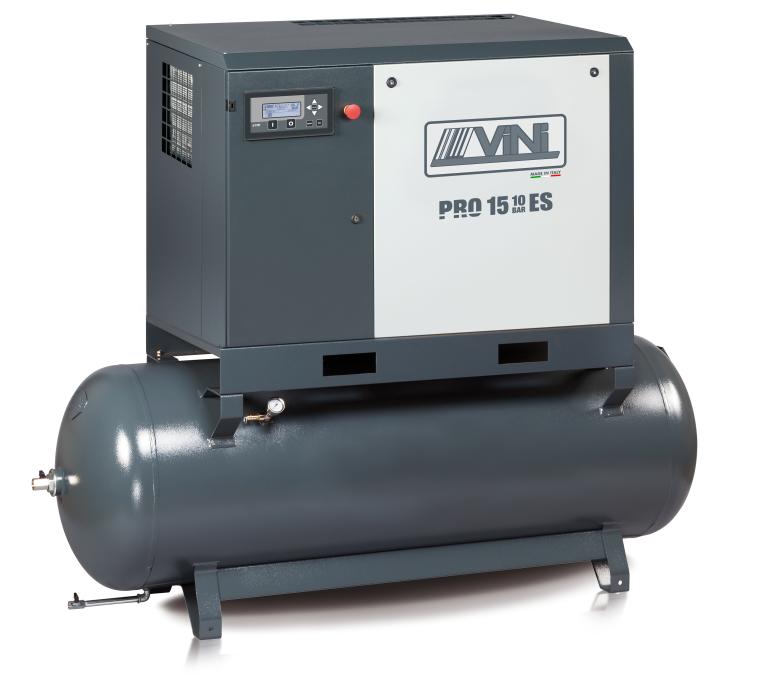
Every Namerah piston and screw compressor is built and rated at 10 bar working pressure. That is the international workshop standard and it gives you:
- Full tool torque — impact wrenches and ratchets at their rated output.
- Longer tool life — tools running below their rated pressure work harder and wear faster.
- Faster cycle times — paint guns atomize properly, sandblasters cut faster.
- Headroom for future tools — adding a sandblaster or plasma cutter later does not require replacing the compressor.
When 8 bar is actually fine
- Tire inflation only (no impact work).
- Cleaning and dusting nozzles.
- Light hobby use with short hoses.
If that is your entire use-case, an 8 bar machine saves a little electricity. For everything else in a real workshop, the 10 bar standard is the right baseline.
Watch out for marketing tricks
Some imported compressors advertise "11 bar" or "12 bar" — that is the safety cut-out, not working pressure. Always ask:
- "What is the continuous working pressure?"
- "What is the CFM at that pressure?"
If the spec sheet does not separate these, the compressor is being sold on paper, not on performance.