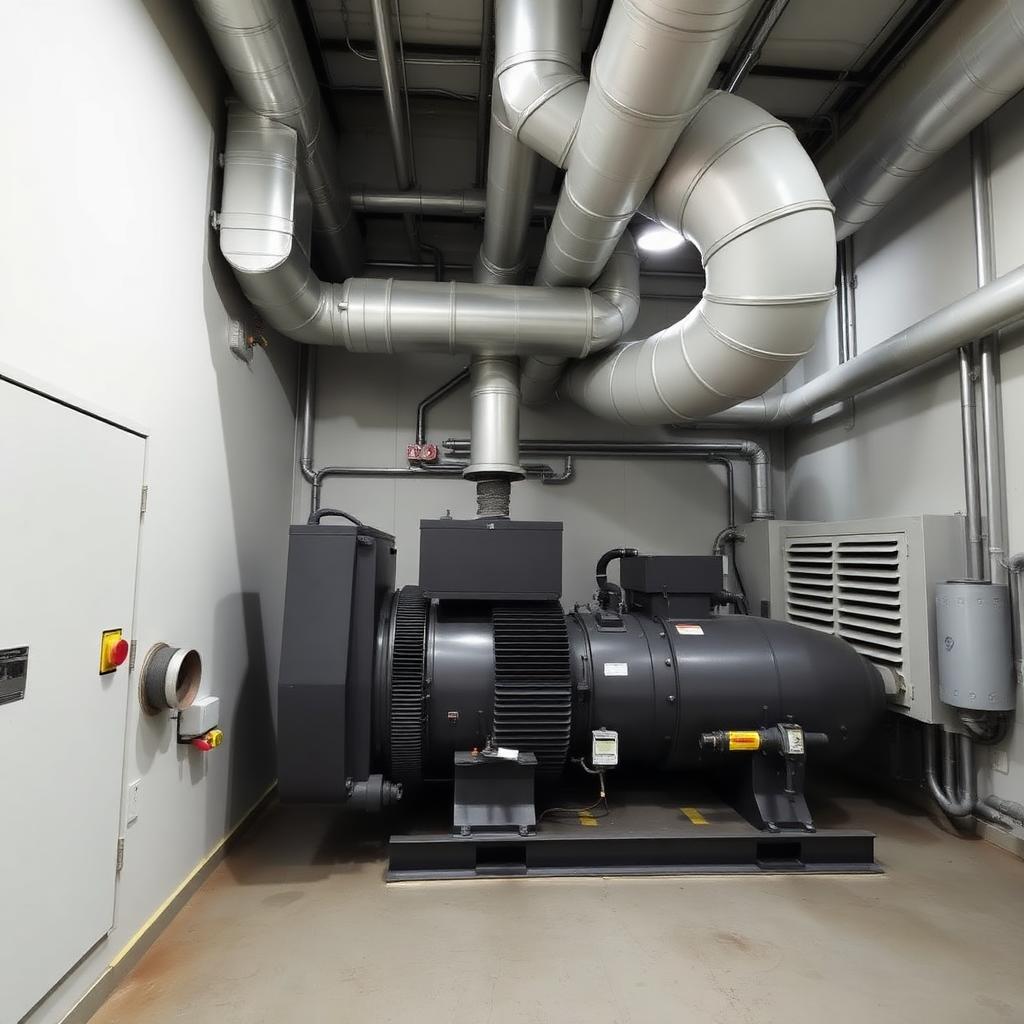
Most compressor failures in Saudi workshops trace back to two things: missed condensate draining and overdue oil changes. A short daily routine and a documented service log help protect your unit. Follow the manufacturer’s model-specific maintenance schedule alongside this checklist.
Daily (every shift start)
- Drain the receiver tank condensate via the bottom valve until air comes through dry. Skipping this rusts the tank from inside.
- Check oil level through the sight glass — top up with the manufacturer-specified grade only.
- Listen for unusual noises — knocking on a piston, whining on a screw means bearing wear.
- Glance at the pressure gauge — confirm the unit cuts in and out at the rated 10 bar setpoint.
Weekly
- Clean the intake filter with low-pressure compressed air. In Riyadh dust, this matters more than the manual says.
- Drain the dryer and any line filters.
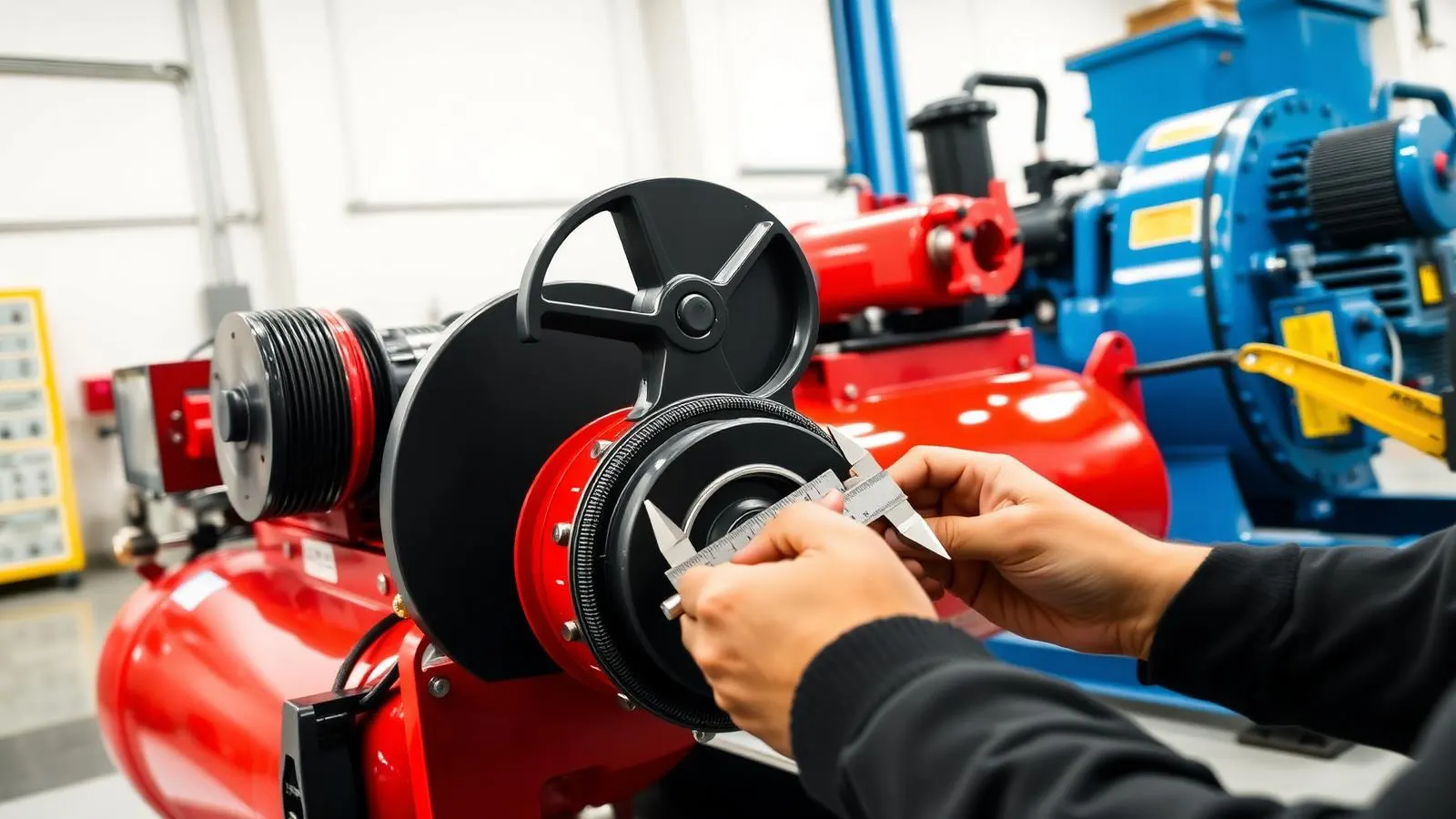
- Inspect belts (piston): 12mm of deflection at the midpoint, no glazing or cracks.
- Check for oil leaks around the crankcase, separator, and fittings.
Monthly
- Tighten electrical terminals in the starter panel. Vibration loosens them — a loose neutral can fry the motor.
- Test the safety relief valve by pulling the ring briefly; it should vent and reseat.
- Log running hours.
- Wash cooler fins with low-pressure water if dust-clogged. Hot coolers shorten oil life dramatically.
Every 500 hours (or 3 months)
- Piston: change oil and oil filter. Use ISO VG 100 mineral or full-synthetic per the spec.
- Screw: change separator filter and check coolant level.
Every 2,000 hours (or annually)
- Screw: full service — coolant change, air filter, oil filter, separator element.
- Piston: valve plate inspection, ring wear check.
- Replace all line filter elements.
Saudi climate adjustments
- Halve oil-change intervals in plants running through summer at 45°C+ ambient.
- Inspect intake filter weekly during sandstorms — not monthly.
- Add a second pre-filter if the compressor sits within 50m of a sand-blasting bay.
When to call us
Call Namerah service if you see any of: oil in the discharge air, temperature trip on a screw, motor amps 10% above nameplate, or pressure that no longer reaches 10 bar. These are early warnings — fixing them now is a fraction of the cost of a rebuild.